
El trabajo legal en Costa Rica rara vez se trata de la transacción. Se trata de cómo se estructura la transacción.
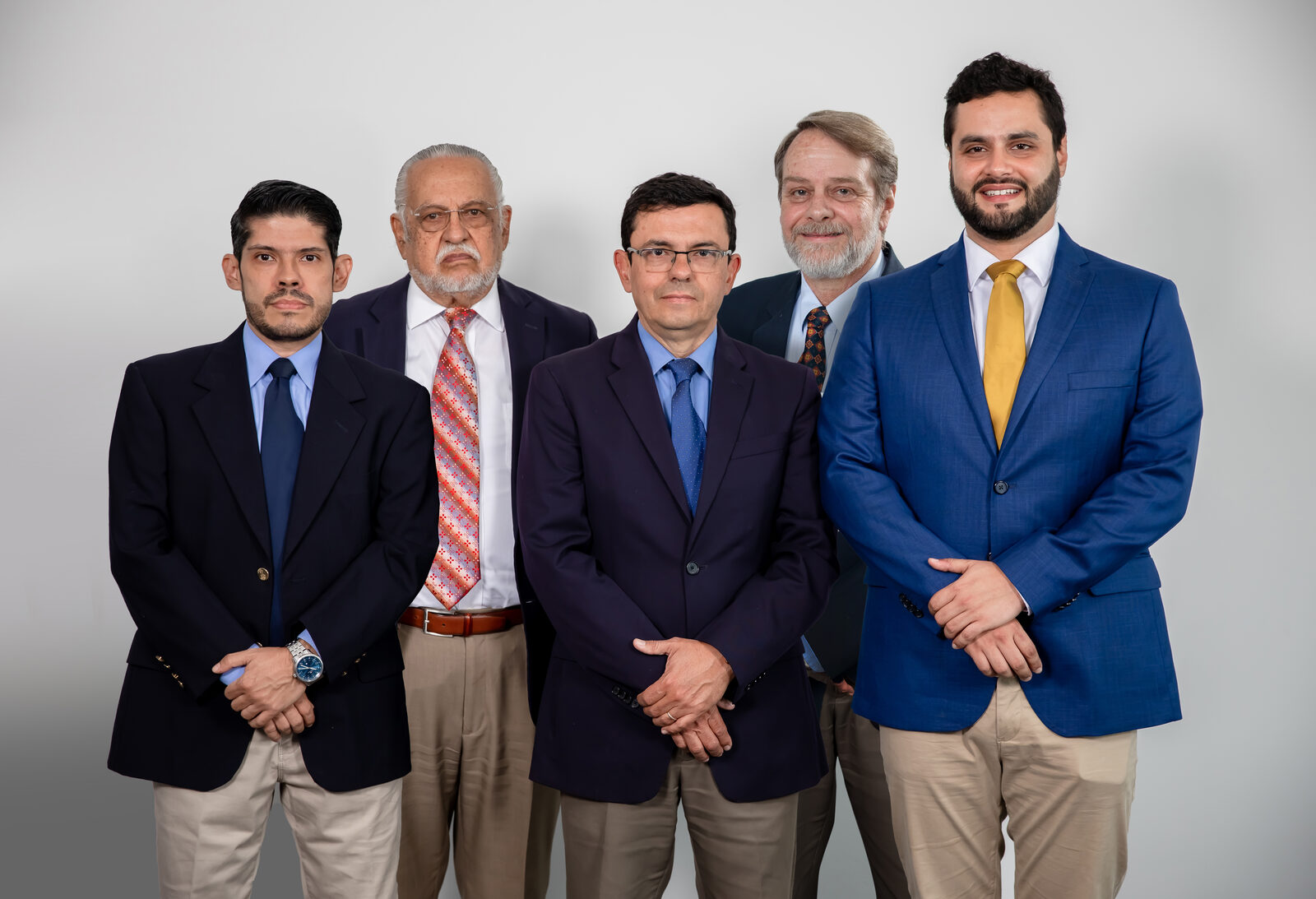
El Bufete
La mayoría de los casos no comienzan con una sola pregunta jurídica. Comienzan con una situación que abarca múltiples áreas — propiedad, estructura corporativa, impuestos o migración — incluso cuando parece sencilla al principio.
Con el tiempo, ciertos patrones se vuelven familiares.
Los resultados legales rara vez se definen por una sola decisión aislada. Están determinados por cómo esas decisiones encajan entre sí.
Mora, Yglesias & Asociados ha operado de forma continua desde 1938, a través de cambios en la regulación, marcos fiscales y mercados inmobiliarios en Costa Rica. Esta continuidad nos permite abordar cada asunto con una visión más amplia de cómo interactúan estos elementos en la práctica.
Nuestro trabajo integra lo corporativo, tributario, migratorio, notarial y litigioso como parte de una estructura única — porque en la práctica, no son asuntos separados.

Asesoría Internacional
Mora, Yglesias & Asociados es miembro de IR Global, una red multidisciplinaria de servicios profesionales con representación en más de 170 jurisdicciones y más de 60 áreas de práctica.
Cuando su asunto se extiende más allá de Costa Rica, coordinamos directamente con asesores locales verificados en todo el mundo.
Lo Que Realmente Hacemos
No abordamos el trabajo legal como un conjunto de servicios aislados.
Nos enfocamos en cómo se toman las decisiones al inicio y cómo afectan todo lo que sigue.
Para algunos clientes, esto implica estructurar la adquisición de una propiedad a través de la entidad apropiada. Para otros, implica alinear las consideraciones corporativas, fiscales y de residencia antes de que comiencen las operaciones. En muchos casos, implica perfeccionar una estructura existente para que funcione como fue concebida.
El problema rara vez es el documento. Es la estructura detrás de él.
Trabajo Legal en Costa Rica para Inversionistas Extranjeros
Los inversionistas extranjeros en Costa Rica generalmente requieren asesoría legal en cuatro áreas: transacciones inmobiliarias, estructuración corporativa, cumplimiento anual y migración.
Estas áreas tienden a cruzarse.
Una propiedad puede estar a nombre de una entidad costarricense. Esa entidad tiene obligaciones anuales de reporte. Esas obligaciones pueden depender de quién es el propietario final de la empresa y dónde reside.
En la práctica, estos elementos operan como un sistema único.
Cumplimiento Corporativo en Costa Rica
La mayoría de las empresas costarricenses están sujetas a obligaciones anuales recurrentes.
Las obligaciones corporativas anuales en Costa Rica incluyen:
- Impuesto sobre la Renta (enero)
- Declaración Informativa D-272 (marzo)
- RTBF — Registro de Transparencia y Beneficiarios Finales (abril)
La declaración RTBF requiere una firma digital emitida por el Banco Central de Costa Rica (BCCR), que generalmente solo está disponible para residentes. Los inversionistas extranjeros suelen recurrir a un Poder Generalísimo — un poder de representación amplio — para cumplir con este requisito.
Estas declaraciones no son tareas independientes. Son parte de un ciclo continuo de cumplimiento.
Transacciones Inmobiliarias en Costa Rica
Las transacciones inmobiliarias en Costa Rica implican más que la verificación de títulos.
Los inversionistas extranjeros que adquieren propiedad en Costa Rica frecuentemente eligen entre mantener los activos a título personal o a través de una entidad costarricense, según consideraciones fiscales, de responsabilidad y de sucesión.
En zonas costeras como Sámara, Tamarindo y otras partes de Guanacaste, las propiedades pueden ubicarse dentro de la Zona Marítimo Terrestre. En estos casos, el terreno se mantiene bajo concesión y no en plena propiedad, con restricciones adicionales para inversionistas extranjeros.
El impuesto de traspaso (1,5 %), timbres fiscales y honorarios notariales aplican a la mayoría de las transacciones, junto con la inscripción en el Registro Nacional.
La estructura utilizada para adquirir la propiedad determina cómo interactúan estos elementos.
Estructuración Corporativa (S.A. vs S.R.L.)
Costa Rica ofrece dos estructuras principales de responsabilidad limitada: la Sociedad Anónima (S.A.) y la Sociedad de Responsabilidad Limitada (S.R.L.).
La S.A. permite la transferencia flexible de acciones y es comúnmente utilizada en estructuras de inversión. La S.R.L. ofrece un control de propiedad más cerrado y una administración más simple.
La elección no es procedimental. Define cómo funcionan la propiedad, el control y la transferibilidad a lo largo del tiempo.
Migración y Estructura Legal
Las categorías de residencia en Costa Rica — incluyendo rentista, inversionista y pensionado — operan junto con las consideraciones corporativas y fiscales.
Los umbrales de inversión, requisitos de ingreso y estándares de documentación pueden afectar cómo se mantienen los activos y cómo se gestiona el cumplimiento.
Para inversionistas extranjeros, estos elementos están generalmente conectados desde el inicio.
Banca y Contexto Regulatorio (SUGEF)
Para desarrolladores y empresas en operación, la estructura legal se extiende al sistema financiero.
Los bancos costarricenses operan bajo la SUGEF (Superintendencia General de Entidades Financieras), que impone requisitos relacionados con la titularidad real, el origen de fondos y el monitoreo de transacciones.
Estos requisitos afectan cómo se abren las cuentas, cómo se reciben los fondos y cómo se evalúan los proyectos.
No son separados de la estructuración legal. Son parte de ella.
Desarrollo Inmobiliario y Estructuración de Proyectos
El desarrollo inmobiliario en Costa Rica introduce una capa diferente de complejidad.
Un proyecto de desarrollo puede involucrar:
- Una entidad holding para el terreno
- Inscripción ante SUGEF para supervisión financiera
- Una o más entidades operativas
- Participación de inversionistas o estructuración de capital
- Venta de unidades individuales o derechos de concesión
Cada uno de estos elementos interactúa con requisitos fiscales, regulatorios y bancarios.
Por ejemplo, la forma en que un proyecto recibe fondos afectará cómo los bancos lo evalúan bajo los estándares de cumplimiento de SUGEF. La forma en que se estructura la propiedad afectará tanto el control como la transferibilidad de las unidades. En zonas costeras como Guanacaste, aplican consideraciones adicionales donde el terreno está sujeto a regímenes de concesión en lugar de plena propiedad.
No son decisiones separadas. Forman parte de una estructura única que determina cómo opera el proyecto a lo largo del tiempo.
Cumplimiento Financiero para Desarrolladores Inmobiliarios
El desarrollo inmobiliario en Costa Rica opera bajo una capa regulatoria que va más allá del cumplimiento corporativo estándar.
Los desarrolladores que reciben capital de inversión, venden unidades o administran fondos de proyectos están sujetos a la supervisión de SUGEF — la Superintendencia General de Entidades Financieras — que impone requisitos relacionados con la titularidad real, documentación antilavado, verificación de origen de fondos y monitoreo de transacciones.
En la práctica, esto afecta cómo se estructura el proyecto desde el inicio:
- Cómo se organizan las entidades — sociedades holding para el terreno, entidades operativas para la construcción y, en algunos casos, estructuras de fideicomiso para administrar los fondos del proyecto y las preventas
- Cómo ingresa el capital al proyecto — los bancos requieren documentación que se alinee con la estructura corporativa, las declaraciones fiscales y la transparencia de propiedad antes de procesar los fondos entrantes
- Cómo se venden las unidades — contratos de preventa, acuerdos de garantía, tratamiento de IVA en la venta de unidades y la transferencia de derechos de concesión en zonas costeras tienen requisitos legales y fiscales específicos
- Cómo se mantienen las relaciones bancarias — inconsistencias entre la estructura corporativa, las declaraciones de titularidad real y los ingresos declarados pueden retrasar transacciones, limitar la funcionalidad de las cuentas o generar revisiones adicionales
Estos requisitos no son pasos opcionales que se agregan al final de un proyecto. Definen cómo opera el proyecto desde el momento en que se capitaliza.
La constitución corporativa, la posición fiscal, el cumplimiento ante SUGEF y la documentación bancaria deben funcionar como un marco único y coordinado, porque en la práctica, los bancos y reguladores los evalúan en conjunto.
Cómo Funciona
Revisión inicial
Evaluamos el contexto completo de su situación, no solo el asunto específico planteado.
Alcance y honorarios
Definimos el encargo y lo cotizamos como un proceso completo, incluyendo la coordinación regulatoria y los costos gubernamentales.
Ejecución
Gestionamos los pasos legales, notariales y administrativos necesarios para implementar la estructura.
Gestión continua
Cuando corresponde, administramos el cumplimiento y las obligaciones corporativas de manera continua.
Por Qué Esto Importa
En la práctica, la diferencia entre un proceso fluido y uno complicado rara vez es la transacción en sí.
Es cómo se estructuró antes de que ocurriera.
Algunas decisiones simplifican lo que sigue. Otras introducen complejidad innecesaria.
Comprender esa distinción a tiempo cambia por completo el resultado.
La mayoría de los problemas no se crean al cierre. Se crean mucho antes.
Lo Que Dicen Nuestros Clientes
“Manuel y su equipo son muy eficientes, profesionales y amables. Valoro mucho lo serviciales que fueron y la claridad con los temas legales de la compra de una propiedad.”
“Manuel Yglesias y su equipo brindan consistentemente soluciones confiables, oportunas y proactivas para una amplia variedad de necesidades.”
“Mora, Yglesias & Asociados ha sido un verdadero aliado en nuestras necesidades comerciales. Son muy conocedores del respaldo legal que ofrecen y siempre están dispuestos a dar un esfuerzo adicional.”
“Todo el equipo hizo que esta transición de mudarnos a Costa Rica fuera fácil y agradable.”
“Hacen que las cosas sean fáciles de entender y siempre han tenido las sugerencias correctas sin importar la complejidad de la situación.”
“Recomiendo ampliamente los servicios de Mora, Yglesias y Asociados. Su asesoría profesional, atención al detalle y capacidad de respuesta son muy apreciados.”
Consulta Estratégica
Una sesión estratégica legal enfocada en evaluar su situación, riesgos y próximos pasos bajo la legislación costarricense.
Escríbenos por WhatsAppSolicitar una Revisión Legal
Describa su asunto y nuestro equipo lo revisará personalmente. Normalmente respondemos en un plazo de 48 horas.